
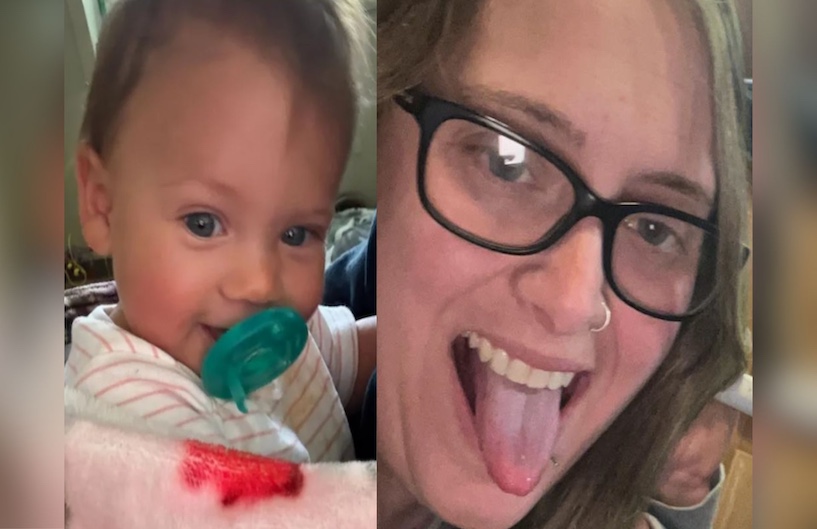
Pennsylvania – In a devastating case of neglect in Pennsylvania, a 32-year-old mother, identified as S. Ressler, has been charged after her 10-month-old daughter drowned in a bathtub while she was reportedly intoxicated and asleep. Authorities say Ressler’s actions led directly to the baby’s death, and she now faces charges of involuntary manslaughter and two counts of endangering the welfare of children.
Ressler’s charges stem from her actions on the evening of August 14, 2025, when police say she placed both her 10‑month‑old daughter and the victim’s 2‑year‑old sister in a bathtub with only a few inches of water and then fell asleep while the children were “taking a bath.” Authorities said Ressler was intoxicated and not properly supervising the children, a failure that led directly to the younger child’s death.
At around 7:30 p.m., a neighbor called 911 after Ressler ran outside screaming for help. When troopers arrived, they found the 10-month-old unresponsive. She was transported to the hospital, where she was later pronounced dead. In her initial statement to police, Ressler said she had been sitting on the bathroom floor scrolling through her phone while the girls bathed. She admitted that she could not see the back of the tub from her position and claimed to have looked up and seen the infant “floating face down” in the water. When asked what she did next, Ressler reportedly said, “I don’t even know,” stating that she could not remember the moments following the discovery.
Troopers noted that the 10-month-old was “underdeveloped” and lacked the ability to self-rescue in water. She was incapable of lifting her head or pulling herself to safety—an important factor that made the need for active supervision even more critical. Although Ressler initially denied drinking or using drugs, officers found clear signs of substance use in the home. An open bottle of flavored whiskey and burnt marijuana cigarettes were discovered within reach of the children, near a playpen. The home was described as “cluttered and unkempt,” with several uninflated balloons scattered around—potential choking hazards for young children.
Blood drawn from Ressler four hours after the incident showed a blood alcohol content of 0.035, though investigators believe it was likely much higher when she placed her children in the tub. In a concerning discovery, Ressler also made two Google searches on her phone while at the hospital: “Can you tell how much alcohol I drank from a blood test?” and “How long does alcohol stay in the blood?” These searches raised further suspicions about Ressler’s state of mind and her awareness of the consequences of her actions.
Two months later, in October, Ressler gave a second interview to detectives—this time with her attorney present. During this session, she changed her story, admitting that she had “fallen asleep” while the children were in the tub, a statement that prosecutors pointed to as negligent and reckless. Troopers concluded in their report: “The defendant admitted to conduct that is negligent and reckless, placing the victims in the circumstance that ultimately caused one death and endangered the other in the same manner.” Ressler is currently being held in custody on the pending charges. Her next court appearance is scheduled for January 7, 2026 as the legal process moves forward. Her case is now in the hands of the justice system, which must weigh her actions and the tragic outcome.
The victim’s family has publicly mourned the young girl’s passing. An obituary described her as “the perfect little girl,” who had overcome obstacles as a premature infant and had just started learning to crawl. It noted her “beautiful blue eyes” and the immense pride and joy she brought to her family. This heartbreaking case underscores the critical importance of active supervision around water and the tragic consequences that can come from impaired judgment. As the legal process unfolds, the focus remains on seeking justice for the 10-month-old girl—and ensuring her memory is honored through accountability.


